

Losing weight often comes with a sense of achievement. Clothes start to fit better, the body changes, and in many cases, health improves too. But there is a moment — almost silent — when something stops feeling right.
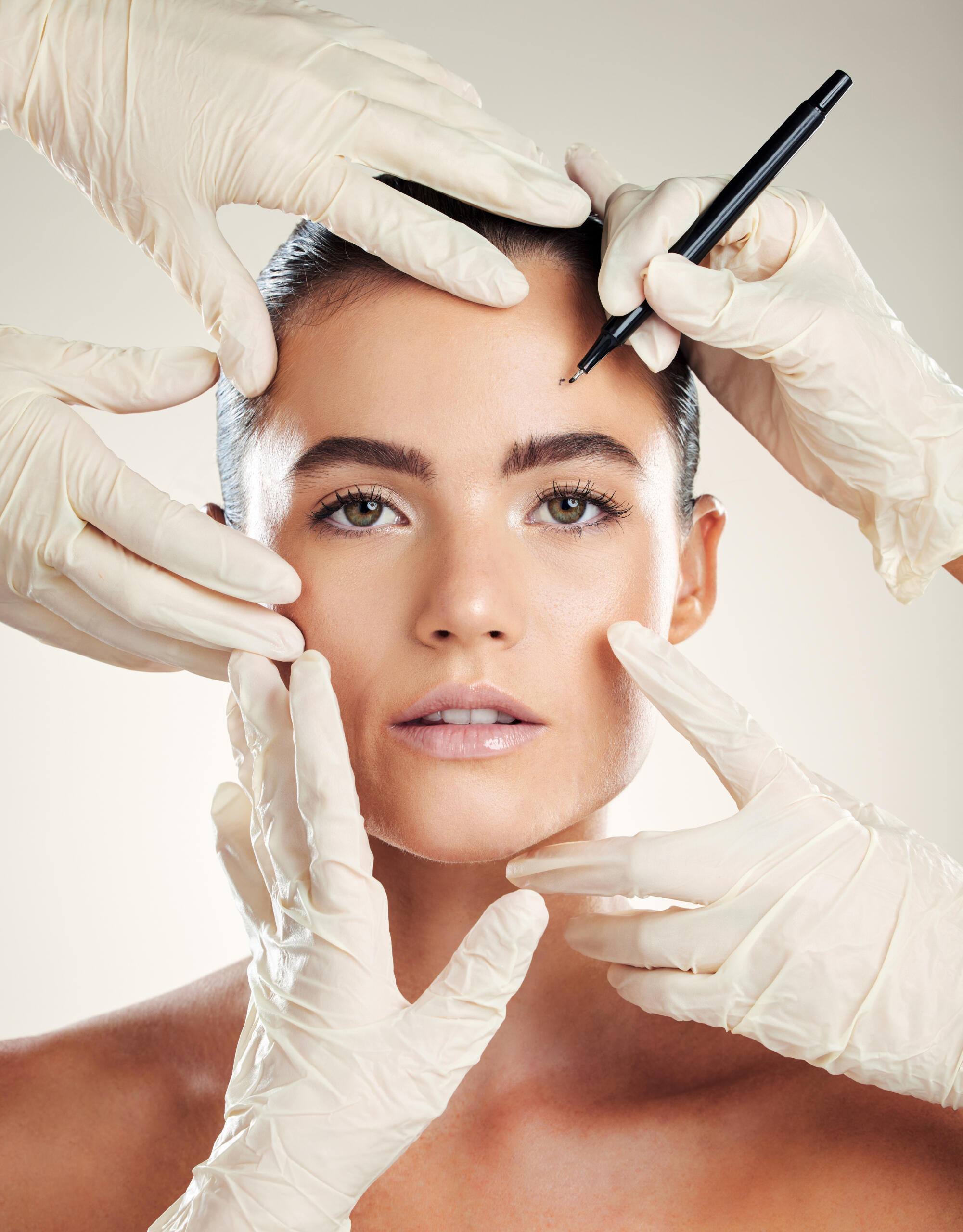
You look in the mirror and, although you recognize the change, you feel like your skin doesn’t reflect the result you expected. Sagging appears, areas that once had volume now look hollow, and the image you imagined when losing weight doesn’t quite match reality.
It’s a feeling many women describe in a very similar way: “I lost weight… but now I don’t feel as good about my body”.
This happens more often than people talk about, especially in cases of rapid weight loss, such as with semaglutide-based treatments. And understanding why it happens is the first step to addressing it properly.
Why Does Sagging Appear After Losing Weight?
Sagging after losing weight is not a failure of the body — it is a natural consequence of how the skin works.
When the body gains volume, the skin stretches to adapt. This process can last months or even years. However, when weight is lost — especially rapidly — that volume disappears quickly, but the skin doesn’t always have the capacity to retract at the same pace.
This is mainly due to the decrease in collagen and elastin, two essential components that give the skin firmness and elasticity. Over time, especially after significant changes in body weight, these fibers weaken.
To this, a key factor is added: speed. The relationship between rapid weight loss and loose skin is direct. The faster the change occurs, the less time the body has to adapt naturally.
That’s why it’s common to notice loose skin after slimming down, even in people who have achieved significant results in a short time.
What Happens When You Lose Weight With Treatments Like Semaglutide or Ozempic?
The use of medications like semaglutide has been a game-changer in the way many people lose weight. Its effectiveness is evident, but it has also brought with it a phenomenon that is increasingly discussed: changes in skin quality.
In this context, terms like “ozempic face” have started to circulate, referring to the loss of facial volume that can create a more tired or aged appearance. But this effect is not limited to the face alone.
It is also common to observe sagging in the arms, abdomen, and neck, especially when weight loss occurs over a short period of time. It’s not that the treatment is negative, but that the body undergoes a very rapid transformation, and the skin doesn’t always manage to adapt at the same speed.
Semaglutide accelerates the weight loss process, but skin regeneration still follows its own timeline.
The Areas Where Sagging Is Most Noticeable
The use of medications like semaglutide has been a game-changer in the way many people lose weight. Its effectiveness is evident, but it has also brought with it a phenomenon that is increasingly discussed: changes in skin quality.
In this context, terms like “ozempic face” have started to circulate, referring to the loss of facial volume that can create a more tired or aged appearance. But this effect is not limited to the face alone.
It is also common to observe sagging in the arms, abdomen, and neck, especially when weight loss occurs over a short period of time. It’s not that the treatment is negative, but that the body undergoes a very rapid transformation, and the skin doesn’t always manage to adapt at the same speed.
Semaglutide accelerates the weight loss process, but skin regeneration still follows its own timeline.
Can the Skin Recover on Its Own?
There is a belief that, over time, the skin will return to its original state. And while this may partially occur in some cases, it is not always the case.
Factors such as age, skin quality, the amount of weight lost, and the speed of the process directly influence the capacity for recovery. In mild cases of weight loss, the body may improve firmness naturally, but when the skin has lost structure, that recovery tends to be limited.
Waiting without doing anything can lead to frustration, because changes don’t always come on their own. And it is at that point that many people begin to look for solutions.
How to Treat Sagging After Losing Weight
Today, the approach to treating loose skin after weight loss has evolved significantly. It’s no longer only about invasive solutions, but about working with the skin’s biology.
Current treatments focus on stimulating natural processes, especially collagen and elastin production. Through specific technologies, it is possible to progressively improve skin firmness, texture, and quality.
This does not mean transforming the body artificially, but helping it recover its balance. When protocols are personalized and adapted to the skin’s actual condition, results tend to be visible — and above all, natural.
The goal is not to change who you are, but to help you feel more comfortable in your own body after the process you’ve already been through.
If you feel like your skin no longer reflects the effort you put into losing weight, you don’t have to face it alone. We can help you assess your case on a personalized basis.
The Key: Don’t Wait Too Long
One of the most important factors in treating sagging is time.
The sooner action is taken, the greater the skin’s capacity to respond. As the months pass, collagen production continues to decline and the skin loses even more firmness, making treatment more complex.
It’s not about creating unnecessary urgency, but about understanding that the body also has windows of opportunity. Acting in time allows you to work with the skin when it still has a greater capacity for regeneration.
Frequently Asked Questions (FAQs)
Is It Normal to Have Loose Skin After Losing Weight?
Yes, it is a natural response of the body, especially in cases of rapid or significant weight loss.
Does Sagging Disappear on Its Own?
It may improve slightly in some cases, but it does not always disappear completely without treatment.
How Soon Should I Address Sagging?
Ideally, don’t wait too long, as the skin responds better in the early stages.
Do Treatments to Improve Sagging Actually Work?
Yes, as long as they are well indicated and personalized. Results tend to be progressive and natural.
Can Sagging Be Prevented When Losing Weight?
To some extent yes, but not completely. Factors such as genetics and the speed of the process have a significant influence.
CONCLUSION
Losing weight is a process that requires effort, discipline, and commitment. But it doesn’t always end when you reach your goal on the scale.
Sometimes, the next step is learning to feel good again about what you see in the mirror.
If you’ve noticed changes in your skin after losing weight, it doesn’t mean something went wrong. It means your body is going through a new stage.
And just as you made the decision to change your weight, you can also make the decision to care for your skin.
Because feeling good shouldn’t just be a number. It should be something you can also see… and feel.
Losing weight was an achievement. Feeling good in your skin is too. If you’re ready to take that next step, we’re here to walk alongside you.”